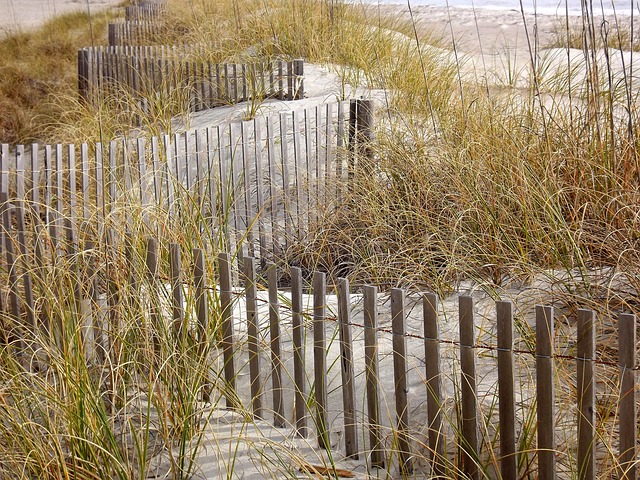
Fences serve both functional and aesthetic purposes in our outdoor spaces, and proper maintenance ensures they look their best while protecting against weather damage. Fence staining and sealing are crucial steps to preserve wood, enhance its natural beauty, and ensure longevity. This guide offers a comprehensive overview of the process, from understanding the benefits and types of fence stains to choosing the right color, applying the stain effectively, and finally, sealing for protection.
- Understanding Fence Staining: Benefits and Types
- Preparing Your Wooden Fence for Staining
- Choosing the Right Stain: Color and Formula
- Applying Stain: Techniques and Tools
- Sealing for Protection: Final Steps and Maintenance Tips
Understanding Fence Staining: Benefits and Types
Fence staining is a popular method to enhance the appearance and protect wooden fences. It involves applying a colored sealer or stain to the fence’s surface, which not only adds aesthetic appeal but also serves as a protective barrier against the elements. The process offers numerous benefits, including increased durability, improved color retention, and resistance to fading, weathering, and rot.
There are various types of fence stains available, each with unique characteristics. Water-based stains are popular due to their low odor and quick drying time. Oil-based stains, while requiring more maintenance, offer a deeper, richer color that can last longer. Semi-transparent and solid colors are common options, catering to different preferences and desired levels of transparency. Some stains also include UV protection to prevent fading caused by sunlight exposure.
Preparing Your Wooden Fence for Staining
Before applying any stain or sealer to your wooden fence, proper preparation is key. Start by thoroughly cleaning the fence to remove any dirt, dust, mildew, or mold. Use a pressure washer or a stiff-bristled brush and mild detergent to ensure a clean surface. This step is crucial as it allows the stain to adhere better and creates an even finish.
Once cleaned, inspect the wood for any damaged areas such as rotten boards, nails popping up, or splinters. Repair these issues by replacing damaged parts, filling gaps with wood putty, and smoothing out rough surfaces. Sanding the fence slightly can also help create a smoother base for staining, ensuring an even application and long-lasting results.
Choosing the Right Stain: Color and Formula
Choosing the right stain for your wooden fence is an essential step in ensuring a long-lasting, aesthetically pleasing finish. First, consider the color – do you want to enhance the natural wood tone or transform it into a bold new shade? Stains come in a wide range of colors, from subtle earth tones to vibrant hues, allowing you to match your fence’s aesthetic with your personal style.
Additionally, pay close attention to the stain formula. Water-based stains are generally easier to apply and emit fewer odors compared to oil-based ones. They also tend to be more environmentally friendly and can provide a transparent finish that lets the wood grain shine through. Conversely, oil-based stains offer deeper color penetration and better protection against harsh weather conditions, making them suitable for areas with extreme climates.
Applying Stain: Techniques and Tools
Applying stain to your wooden fence is an art that requires precision and the right tools for optimal results. Start by cleaning and preparing the fence surface, removing any dirt or debris with a pressure washer or brush. This ensures the stain adheres well. Next, choose your preferred application method – a brush, roller, or sprayer. For detailed work and hard-to-reach areas, a small paintbrush is ideal. A roller is efficient for larger surfaces, while a sprayer offers even coverage but requires more skill to avoid drips and runs.
Load your applicator with the chosen stain, following the manufacturer’s instructions on dilution. Apply the stain in even strokes, working from the top down. Allow each coat to dry slightly before adding another, building up the desired color depth. Be patient and allow adequate time for drying between coats, as this prevents bleeding or streaking.
Sealing for Protection: Final Steps and Maintenance Tips
Sealing your wooden fence is a crucial step to protect it from the elements, ensuring its longevity and maintaining its aesthetic appeal. After staining, apply a high-quality sealant to create a protective barrier against water, UV rays, and extreme temperatures. This final touch will not only safeguard the wood but also enhance its color and texture. Choose sealants designed for outdoor use, as these offer better resistance to fading and cracking.
Regular maintenance is key. Every few years, or as recommended by the sealant manufacturer, reapply the coating to maintain its effectiveness. During maintenance, clean the fence first, then gently sand any rough spots to ensure even application of the new sealant. This process not only restores the fence’s protection but also gives it a fresh look, allowing you to enjoy your beautifully stained and sealed wooden fence for years to come.