- Understanding Fence Staining: Benefits and Types
- Choosing the Right Stain for Your Fence
- Step-by-Step Guide to Fence Staining
- Sealing Techniques for Long-Lasting Protection
- Common Mistakes to Avoid During Fence Maintenance
Understanding Fence Staining: Benefits and Types
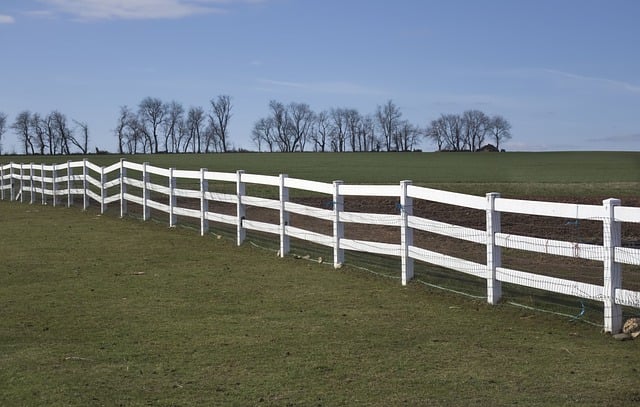
Fence staining is an essential process that involves applying a protective coating to your wooden fence, offering more than just an aesthetic upgrade. The primary benefits include enhanced durability, where the stain acts as a barrier against harsh weather conditions, ultraviolet rays from the sun, and moisture, which can cause wood to rot or warp over time. This process not only prolongs the life of your fence but also maintains its beauty and value.
There are various types of fence stains available in the market, each with unique properties. Water-based stains, for instance, are environmentally friendly and easy to clean up, offering a subtle, natural finish. Oil-based stains, on the other hand, provide deeper colors and better protection against water damage but require more effort during application and clean-up. Some advanced formulas even include UV protectors, ensuring your fence stays vibrant and protected from the sun’s damaging rays.
Choosing the Right Stain for Your Fence
Choosing the right stain is the first step to achieving a beautiful, long-lasting finish for your wooden fence. Consider the type of wood and its natural color as a starting point. Different stains react uniquely with various wood tones, so selecting a shade that complements your fence’s existing color is essential. Light woods may require a transparent or semi-transparent stain to enhance their natural beauty, while darker woods might benefit from a solid color that deepens their hue.
Additionally, think about the desired level of protection and aesthetic appeal. Some stains offer enhanced water resistance and UV protection, ideal for areas with high sun exposure or frequent rainfall. Others may have unique aging effects or specialized formulas for repairing weathered wood. Matching your stain selection to your fence’s functional needs and personal design preferences will ensure a satisfying result.
Step-by-Step Guide to Fence Staining
Step-by-Step Guide to Fence Staining:
1. Preparation: Begin by cleaning your wooden fence thoroughly, removing any dirt, debris, or existing stains with a pressure washer or brush. Sand the surface gently to create a rough texture, allowing better adhesion for the stain. Patch any holes or damaged areas with wood putty and let it dry completely.
2. Staining Application: Choose your preferred type of fence stain—oil-based, water-based, or semi-transparent. Mix the stain according to the manufacturer’s instructions, ensuring a smooth consistency. Use a flat brush or roller to apply the stain evenly across the fence panels. Start from the top and work your way down, overlapping each stroke by 50% for a seamless finish. Allow the first coat to dry as per the product guidelines before adding additional coats for enhanced color and protection.
Sealing Techniques for Long-Lasting Protection
When it comes to sealing your wooden fence, there are several techniques to ensure long-lasting protection. The first step is to clean and prepare the surface thoroughly. This involves removing any dirt, debris, or old stain with a pressure washer or scrub brush. Once the wood is clean, dry it completely before applying a sealer.
Choosing the right sealer is key. Water-based sealers are popular due to their low odor and quick drying time. They offer good protection against water damage but may not last as long as oil-based options. Oil-based sealers, while more durable, take longer to dry and have a stronger smell. Applying multiple thin coats of sealer is better than one thick coat to prevent pooling and ensure even coverage. Regular reapplication every 1-3 years will keep your fence looking its best.
Common Mistakes to Avoid During Fence Maintenance
Many homeowners often underestimate the importance of regular fence maintenance, which can lead to costly repairs down the line. One common mistake is neglecting to clean the fence before staining or sealing. Dirt, mold, and mildew can hinder the adhesion of stains, resulting in an uneven finish and reduced protection. Always begin with a thorough cleaning to ensure optimal results.
Another avoidable error is selecting the wrong type of sealer or stain for your wooden fence. Different woods require specific care, and using the incorrect product can cause premature fading or damage. Consider factors like sunlight exposure, climate, and the natural tone of your wood to choose a sealer that offers the best protection tailored to your fence’s needs.