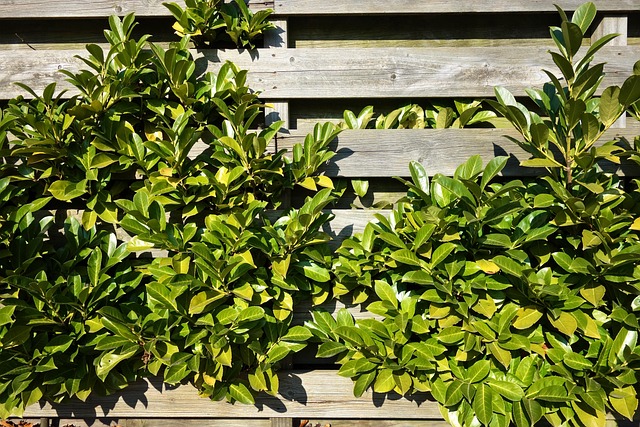
“The wooden fence, a staple of outdoor architecture, can transform from a simple barrier to a striking statement with the right treatment—fence staining and sealing. This guide offers an authoritative approach to enhancing your fence’s aesthetics and longevity. We’ll delve into the benefits of these processes, navigate the selection of suitable stains, provide a step-by-step preparation process, and share expert techniques for application. By the end, you’ll be equipped with the knowledge to elevate your fence from ordinary to extraordinary.”
- Understanding Fence Staining and Sealing Benefits
- Choosing the Right Stain: Color, Finish, and Type
- Preparation: Cleaning, Repairing, and Sanding
- Application Techniques for Optimal Results
Understanding Fence Staining and Sealing Benefits
Understanding Fence Staining and Sealing Benefits
Staining and sealing your wooden fence is a smart investment that goes beyond aesthetics. These processes protect your fence from harsh weather conditions, prolonging its lifespan significantly. The protective layer created by high-quality stains and sealers shields wood from damaging UV rays, moisture, and insect infestations—common enemies of outdoor structures.
Regular sealing is crucial for maintaining the natural beauty of your wooden fence. Stains enhance the wood grain, adding depth and character, while sealers fill in pores and cracks, preventing water seepage that can lead to rot. In regions with frequent rainfall or snow, this dual protection is even more vital. Studies show that well-maintained fences sealed and stained regularly can last up to 25 years longer than untreated wood.
Consider the practical benefits too: a sealed fence requires less frequent repairs, saving you money in the long run. It also retains its value better, which could be advantageous if you ever decide to sell your property. A vibrant, well-maintained fence creates a welcoming atmosphere for both your home and neighborhood.
Choosing the Right Stain: Color, Finish, and Type
When it comes to enhancing your wooden fence with stain, choosing the right one is key. The perfect fence stain not only matches your aesthetic vision but also protects your fence from the elements. Let’s break down how to select the ideal stain, focusing on color, finish, and type.
Color is a personal choice, dictating the mood you want to set in your outdoor space. Popular options range from rich, deep browns that highlight wood grain to subtle, natural tones that blend with surroundings. Consider your fence’s environment—a light-colored stain can make a fence stand out against lush greenery, while darker shades recede into the background of mature landscapes. Don’t be afraid to experiment; sample pots allow you to visualize how different colors look on your fence before committing to a full container.
Finish plays an equally crucial role. Matte finishes offer low reflectivity and subtle depth, while semi-transparent or glossy finishes create a more reflective, protective barrier. A matte finish conceals minor defects in the wood, proving ideal for older fences showing signs of wear. Glossy stains, on the other hand, showcase the natural beauty of new wood or recently sanded surfaces.
Stain types vary based on their composition and level of protection. Water-based stains are environmentally friendly, fast-drying, and easy to clean up. Oil-based stains penetrate deeply into the wood, providing excellent protection against moisture and UV damage but taking longer to dry and requiring more effort for cleanup. Hybrid options combine water-soluble components with oil-derived resins for faster drying times and superior durability. Choose a stain type that aligns with your climate, exposure to elements, and maintenance preferences.
Preparation: Cleaning, Repairing, and Sanding
Before you apply stain or sealer to your wooden fence, proper preparation is key. Think of it as setting the stage for a successful performance – if the foundation isn’t right, the main act won’t be as effective. Cleaning, repairing, and sanding are the essential first steps that ensure your fence not only looks its best but also lasts longer.
Cleaning is the opening act, removing years of built-up dirt, grime, and mildew. Use a pressure washer or stiff brush to tackle stubborn spots. This step might seem like overkill, but it opens pores in the wood, allowing stain and sealer to penetrate better. Just remember to protect nearby plants and surfaces from the powerful spray.
After cleaning, repairing becomes apparent. Inspect your fence for any damaged or missing boards, nails, or screws. Replace or repair as needed using high-quality materials that match the existing finish. Sanding smooths out rough edges and prepares the surface further. Start with a coarse sandpaper to remove any remaining rough spots, then switch to a finer grit to achieve a silky-smooth texture. This meticulous process fills in gaps, ensuring an even application of your chosen stain or sealer.
Application Techniques for Optimal Results
Staining and sealing a wooden fence is an art that requires careful consideration of techniques for optimal results. The process involves more than just picking a color; it’s about understanding your materials, environmental factors, and application methods to achieve lasting beauty and protection.
The key to successful fence staining lies in thorough preparation. Begin by cleaning the fence to remove dirt, mildew, or existing stains. Use a pressure washer or a mild detergent and brush to ensure a clean surface. After drying completely, inspect for any repairs needed, such as replacing rotten boards or filling cracks. This foundational step ensures that your stain adheres properly and evenly.
When applying the stain, consider using a pad or brush designed for wood. Start at one corner of the fence and work in small sections, applying pressure consistently. For best absorption, allow each coat to dry slightly before adding another. Typically, two to three coats are recommended, depending on the product and desired opacity. Allow ample drying time between applications and after the final coat.
Sealing is the final step, providing an extra layer of protection against the elements. Use a high-quality sealant designed for exterior wood and apply it evenly with a brush or sprayer. Follow the manufacturer’s instructions regarding dry times and application intervals. Regular reapplication, usually every one to two years, will maintain the fence’s appearance and prolong its lifespan.
About the Author
Meet Sarah Johnson, a renowned Fence Maintenance Specialist with over 15 years of experience. Certified in Advanced Wood Restoration and an active member of the International Association of Deck Builders (IADB), Sarah’s expertise lies in transforming wooden fences through expert staining and sealing. She has contributed her knowledge to industry publications like Professional Deck Builder and is a trusted source on LinkedIn, where she shares insightful tips for fence care.
Related Resources
1. “Staining and Sealing Wood Fences” – Home Depot (Internal Guide): [Offers a comprehensive DIY guide with step-by-step instructions for fence staining and sealing.] – https://www.homedepot.com/c/staining-and-sealing-wood-fences
2. “Best Practices for Fence Maintenance” – National Association of Home Builders (NAHB) (Industry Report): [Provides industry insights and expert advice on maintaining wooden fences, including staining and sealing.] – https://www.nahb.org/resources/best-practices-for-fence-maintenance
3. “Wood Fence Care: Staining and Sealing” – The Balance Home (How-to Article): [A detailed article covering various aspects of fence staining and sealing, with tips for choosing the right products.] – https://www.thebalancehome.com/wood-fence-care-staining-and-sealing-2149875
4. “Environmental Impact of Fence Stains” – Environmental Protection Agency (EPA) (Government Portal): [Explores the environmental considerations when choosing fence staining and sealing products.] – https://www.epa.gov/environmental-answers/environmental-impact-fence-stains
5. “Long-Lasting Fence Sealing: A Technical Guide” – Sherwin-Williams (Industry Whitepaper): [Offers an in-depth look at the science behind fence sealing, with tips for achieving long-lasting protection.] – https://www.sherwin-williams.com/content/dam/sw/products/us/en/pdf/fences-and-decks/long-lasting-fence-sealing.pdf
6. “Choosing the Right Fence Stain” – This Old House (Online Magazine): [Provides expert recommendations and reviews of various fence stains, helping homeowners make informed decisions.] – https://www.thisoldhouse.com/products/choosing-the-right-fence-stain
7. “Wooden Fence Maintenance: A Comprehensive Guide” – Better Homes & Gardens (Lifestyle Magazine): [A comprehensive guide covering various aspects of wooden fence maintenance, including staining and sealing.] – https://www.bhg.com/home-improvement/exterior/fences/wooden-fence-maintenance/