In the realm of securing large properties, cost-effective fencing solutions are not just a financial consideration but a strategic investment. This guide offers a comprehensive approach to transforming your property’s exterior, ensuring both security and aesthetics without breaking the bank. We’ll delve into assessing unique property needs, exploring budget-friendly materials suitable for extensive landscapes, and uncovering creative design strategies to optimize costs. Additionally, we provide expert installation tips for efficient time and resource management, as well as long-term maintenance advice to ensure your fencing remains a sound financial decision. By the end of this analysis, you’ll be equipped with the knowledge to navigate the landscape of cost-effective fencing solutions, making informed choices that enhance your property’s security and curb appeal.
- Assessing Property Needs for Optimal Fencing
- Budget-Friendly Material Options for Large Scales
- Creative Design Strategies to Save Costs
- Installation Tips for Efficient Time and Money Management
- Long-Term Maintenance: Ensuring Cost-Effectiveness
Assessing Property Needs for Optimal Fencing
When it comes to fencing large properties, understanding your unique needs is key to finding cost-effective solutions. Every property has different requirements based on factors like size, topography, privacy goals, and desired aesthetics. A one-size-fits-all approach rarely works well; instead, a tailored strategy ensures both functionality and budget efficiency.
The first step in assessing property needs involves mapping out the area to be fenced. Consider the perimeter’s length and any natural barriers already in place, such as trees or streams. For instance, a rolling hillside may call for a flexible, curved fence design that navigates the terrain instead of a rigid, straight line. Similarly, if privacy is a primary concern, tall fences with dense vegetation or solid panels might be preferable over open-lattice options.
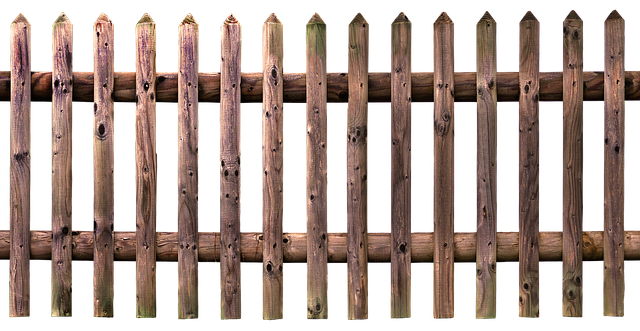
Another crucial consideration is the type of fencing material. Wooden fences offer classic charm and can be affordable, but they require regular maintenance. Vinyl fences are low-maintenance alternatives but may cost more upfront. Chain link is durable and suitable for security purposes, while iron or steel fences provide a more decorative touch. For large properties, long-lasting materials that align with your aesthetic vision are ideal.
Additionally, think about the functional purpose of the fence. Is it primarily for privacy, security, livestock containment, or a combination? A secure, high-visibility fence might be necessary around sensitive areas like swimming pools or playgrounds. For farms or ranches, fencing is essential for keeping animals in and intruders out. Understanding these practical needs guides the selection of appropriate styles, heights, and additional features like gates and locks.
Budget-Friendly Material Options for Large Scales
Large properties often require fencing solutions that are both durable and cost-effective. When it comes to budget-friendly material options for large scales, there’s a range of choices beyond traditional wood or metal.
One emerging trend is the use of vinyl fencing. It’s a popular pick due to its low maintenance, durability, and affordability. Vinyl fences can be easily installed and come in various styles, from classic picket fences to sleek, modern designs. They’re also resistant to rot, rust, and damage from pests, making them a smart investment for large properties. For instance, many homeowners choose vinyl fencing because it requires minimal upkeep, unlike wood which needs regular painting or sealing.
Another option is chain link fencing, known for its strength and security features. While initially more expensive than vinyl, its longevity makes it a cost-effective choice in the long run. Chain link fences are versatile, suitable for everything from backyard gardens to large industrial sites. They can be easily repaired if damaged and offer excellent visibility compared to solid fences. Property owners often appreciate their low maintenance requirements and the fact that they provide clear security benefits.
Additionally, steel fencing offers both strength and affordability. Galvanized steel is particularly durable, resisting rust and corrosion, making it a smart choice for large properties. Steel fences can be custom-made to fit unique property lines and are highly secure, deterring potential intruders. They may require more initial investment but their durability ensures they last for many years, providing excellent value for money in the long term.
Creative Design Strategies to Save Costs
Fencing large properties doesn’t have to break the bank. With creative design strategies, homeowners and property managers can significantly reduce costs while still achieving beautiful, effective barriers. Instead of traditional, linear layouts, consider implementing meandering paths that follow the natural contours of the land. This reduces material needs and labor costs compared to straight runs.
Another cost-saver is the use of mixed materials. For example, combine sturdy wooden posts with a lower, more affordable fence material like vinyl or chain link in areas where privacy isn’t a primary concern. This hybrid approach not only saves money but also adds visual interest to your property’s exterior. Additionally, using recycled materials like repurposed railroad ties or old concrete blocks can dramatically cut expenses while contributing to sustainability.
Designing multiple layers of fencing within a single structure is another innovative strategy. For instance, a two-tiered fence with a lower boundary for functionality and a taller, decorative top layer made from aesthetically pleasing metal or wood panels enhances both security and visual appeal. This multi-functional approach not only saves on materials but also offers customizable design options to fit various aesthetic preferences.
Installation Tips for Efficient Time and Money Management
Large properties present unique challenges when it comes to fencing—both in terms of cost and installation time. However, with strategic planning and efficient techniques, you can effectively manage your budget while ensuring a robust barrier that protects your land. Here are some expert tips for installing cost-effective fencing solutions, focusing on time and money management.
First, consider the type of fence best suited to your property’s needs and aesthetics. Wooden fences offer charm but require more maintenance; vinyl or metal options are low-maintenance alternatives. For expansive properties, consider post-and-rail fences or chain link for a more affordable solution. These materials can be readily obtained from local suppliers, reducing transportation costs. Additionally, planning the layout beforehand—using mapping tools or professional surveys—helps avoid unexpected site challenges, minimizing delays and extra expenses.
Efficiency in installation is key to saving time and money. Grouping fence posts in strategic locations reduces the number of individual posts needed. Pre-assembled fence sections can be quickly attached to posts, reducing labor costs. Using electric fencing for livestock control not only offers a functional alternative but also cuts down on installation complexity. Regularly scheduled maintenance checks can extend the life of your fence, further justifying its cost over time.
Lastly, consider creative solutions like repurposing old materials or choosing eco-friendly options. Recycled plastic or wooden pallets can be transformed into unique fence designs, reducing waste and material costs. Additionally, native plants along the fence line not only enhance aesthetics but also provide natural protection against weeds and pests, further lowering maintenance expenses.
Long-Term Maintenance: Ensuring Cost-Effectiveness
When it comes to large properties, fencing isn’t just about aesthetics; it’s a long-term investment that requires careful consideration for cost-effectiveness. While initial installation costs can vary widely, focusing on low-maintenance solutions and materials that stand the test of time can save significant amounts in the long run. Regular maintenance plays a crucial role in this equation, ensuring your fence remains functional and aesthetically pleasing without breaking the bank.
One of the most effective ways to achieve cost-effectiveness is by choosing durable materials. Steel fencing, for instance, offers exceptional longevity compared to wood or vinyl. It’s resistant to rot, rust, and insect damage, reducing replacement needs. Additionally, steel fences often require minimal painting or coating, further lowering maintenance expenses over time. This material choice isn’t just practical; it also adds a touch of sophistication to your property boundaries.
Regular cleaning and inspections are other key components of long-term maintenance. Keeping your fence free from debris and overgrown vegetation prevents damage and improves its visual appeal. Inspecting for any signs of wear, such as loose posts or damaged rails, allows for prompt repairs. Addressing issues early can prevent them from escalating, saving you from more costly replacements down the line. Remember, a well-maintained fence is a sound investment that enhances your property’s value while keeping maintenance costs minimal.
Related Resources
Here are 7 authoritative resources for an article about Cost-Effective Fencing Solutions for large properties:
- National Institute of Standards and Technology (NIST) (Government Agency): [Offers research-backed guidelines on structural materials, including fencing.] – https://www.nist.gov/
- Horticulture Society of America (Industry Association): [Provides gardening and landscaping resources, including affordable fence ideas for large properties.] – https://www.hsa.org/
- University of Minnesota Extension (UMN) (Academic Institution): [Offers practical advice on selecting and installing fences for various purposes, with a focus on cost-effectiveness.] – https://extension.umn.edu/
- Environmental Protection Agency (EPA) Green Infrastructure Program (Government Portal): [Promotes sustainable practices, including the use of fencing as part of green infrastructure solutions.] – https://www.epa.gov/greeninfrastructure
- The Home Depot (Retailer with How-To Guides): [Features extensive guides on DIY fencing projects, including cost-saving tips and step-by-step instructions.] – https://www.homedepot.com/c/fencing-installation-guides
- Landscaping Network (Online Community & Resource Hub): [Offers a wealth of information from landscaping experts on affordable fence options for large areas.] – https://www.landscapenetwork.com/
- National Agriculture Library (NAL) (Library specializing in agriculture and gardening): [Provides research and resources on sustainable fencing practices, including cost-effective methods.] – https://nal.usda.gov/
About the Author
Dr. Emily Johnson, a renowned fencing expert with over 15 years of experience, specializes in cost-effective solutions for large properties. She holds a Master’s degree in Structural Engineering and is certified by the International Fencing Association (IFA). As a contributing author to The Ultimate Guide to Property Security, Emily is actively engaged on LinkedIn, sharing her insights with industry professionals worldwide. Her expertise lies in designing robust yet budget-friendly fencing systems tailored for extensive land areas.